Jayamangali Blackbuck Reserve near Maidenahalli is a short drive from Bangalore, and I have been visiting it since I started wildlife photography about fifteen years ago. This isn't one trip report from one weekend. It is a record of going back to the same scrubland, seeing familiar species and noticing how the place has changed. Some changes have been hard to miss.
The place I first knew
When I initially began photographing here, the reserve had a lot of blackbuck. They were the obvious part of the place, and there were more chances to watch and photograph them. Over the years that has changed. I don't see the numbers I remember from those early visits.
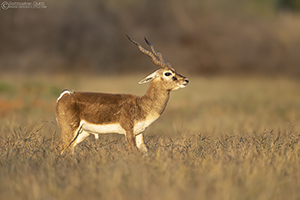
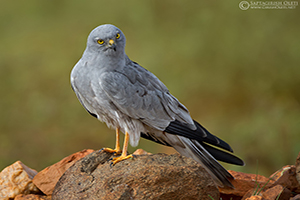
Jayamangali is part of the Deccan Plateau, with open scrub and rocky outcrops. Those rocks are useful perches for birds, while the low grass gives clear views of blackbuck when they move through the open patches. Agriculture surrounds the reserve, though, and land-use patterns around it have shifted. From what I have seen across repeated visits, that pressure has had a serious effect on the blackbuck population.
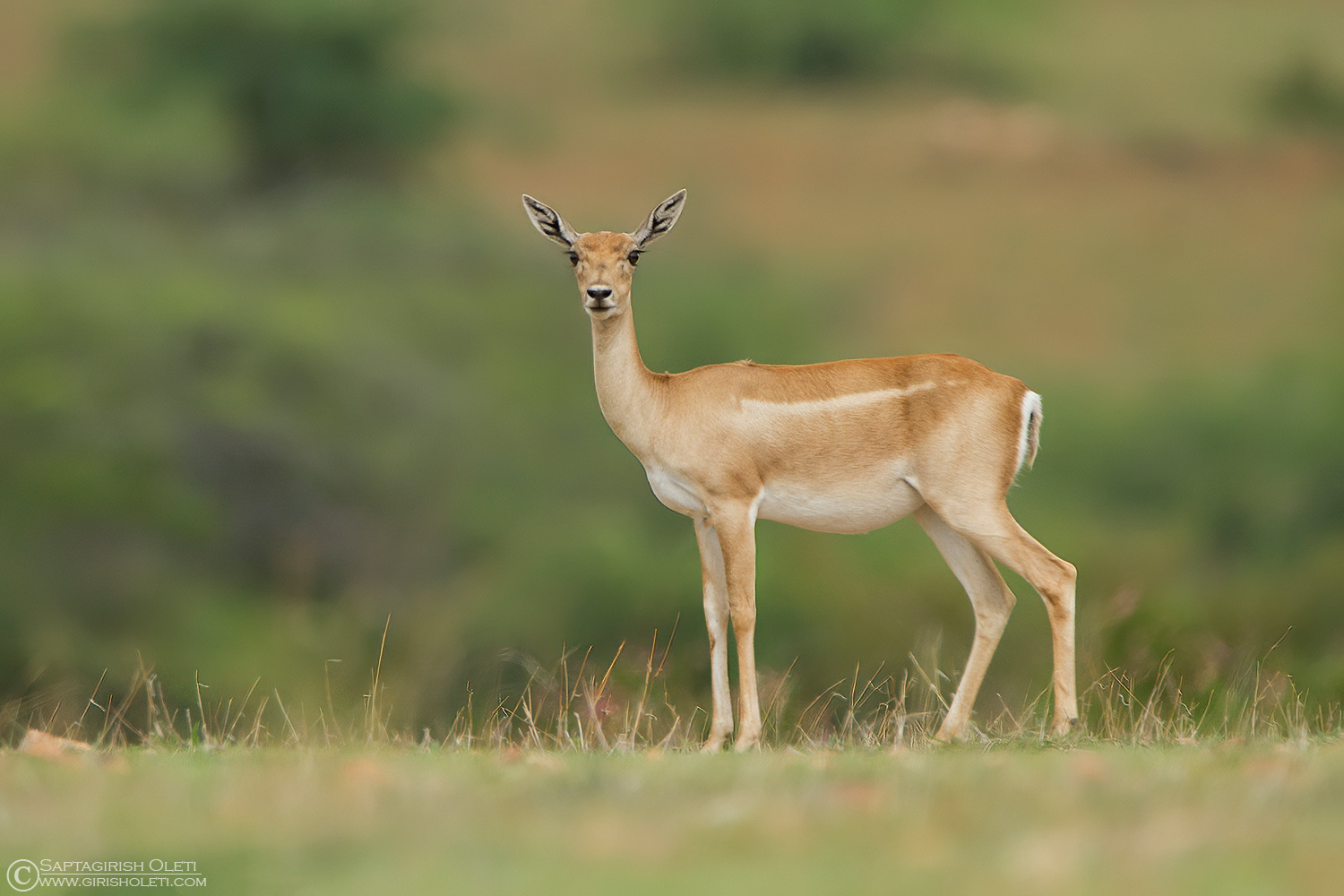
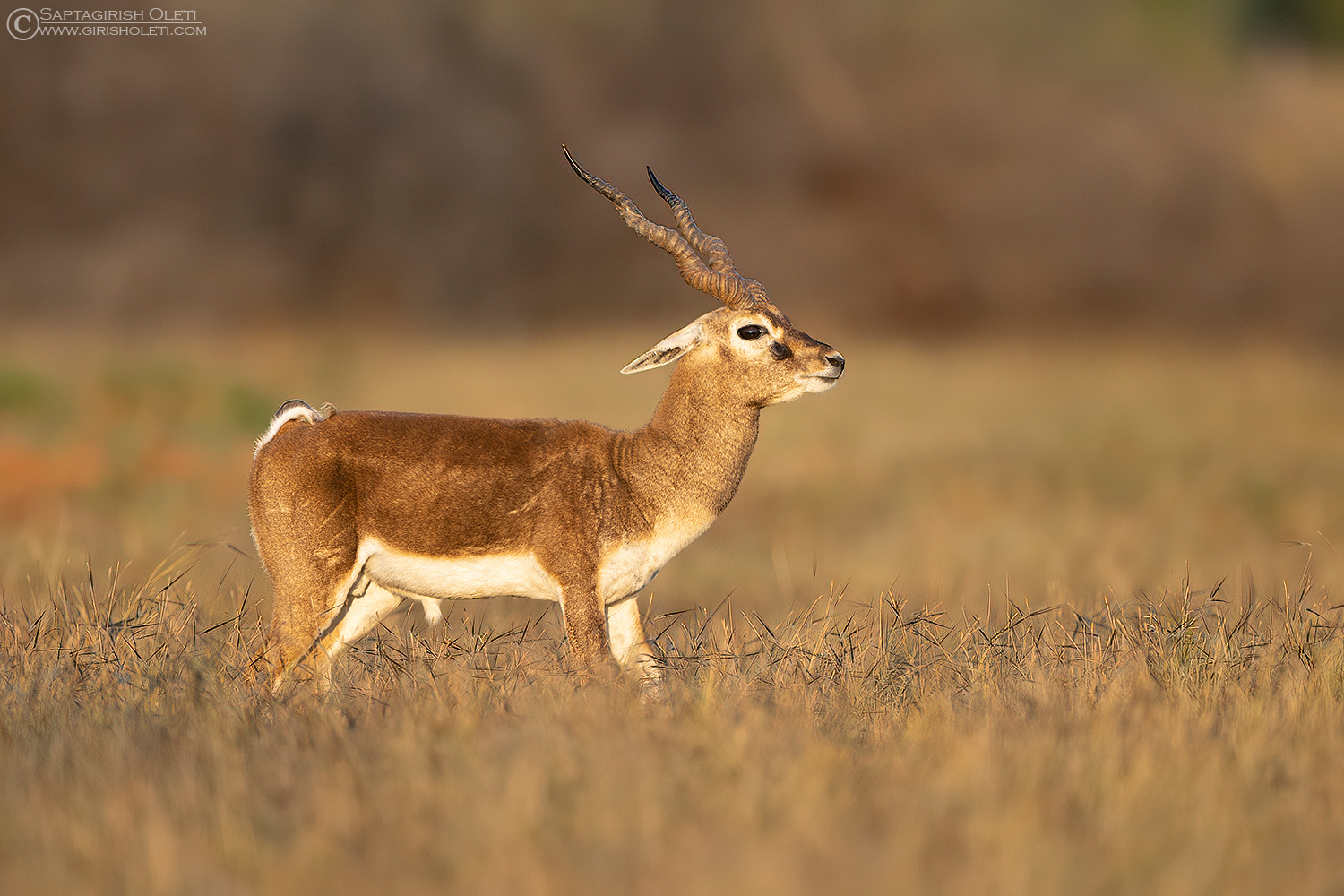
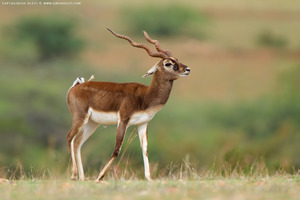
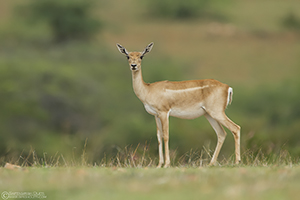
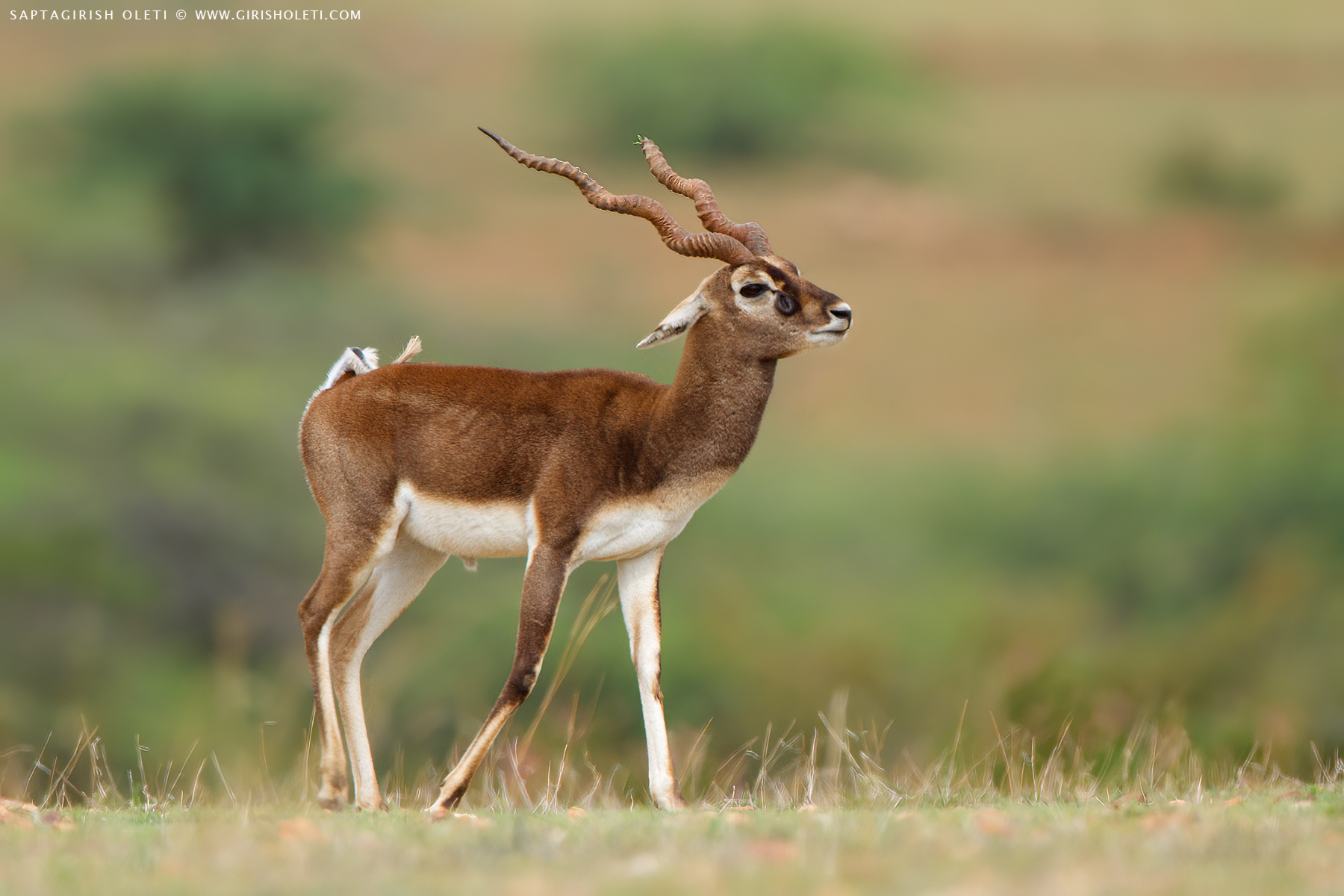
Blackbuck photographs from here can look clean because the ground is open and the background drops away. Getting a clear animal in front of that background is another matter. Scrub, distance and the animal's position still decide whether a frame works. I have kept returning because there is always a chance, not because every visit produces photographs.
The winter harriers
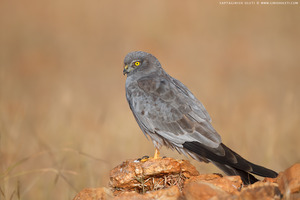
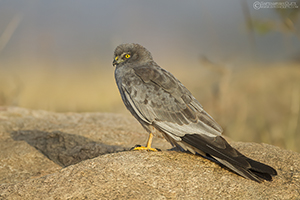
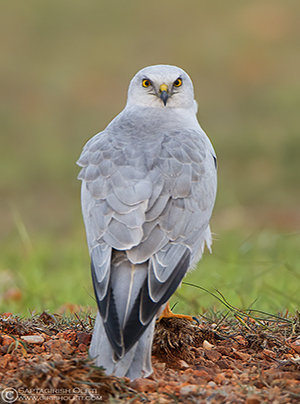
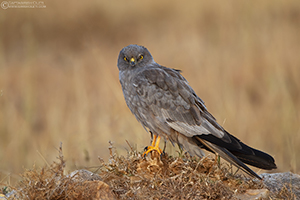
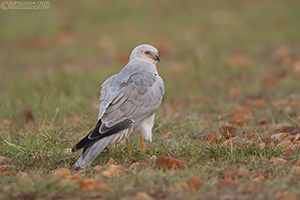
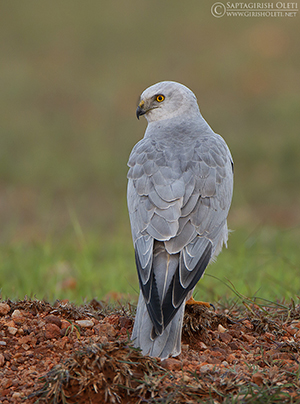
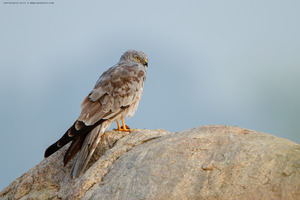
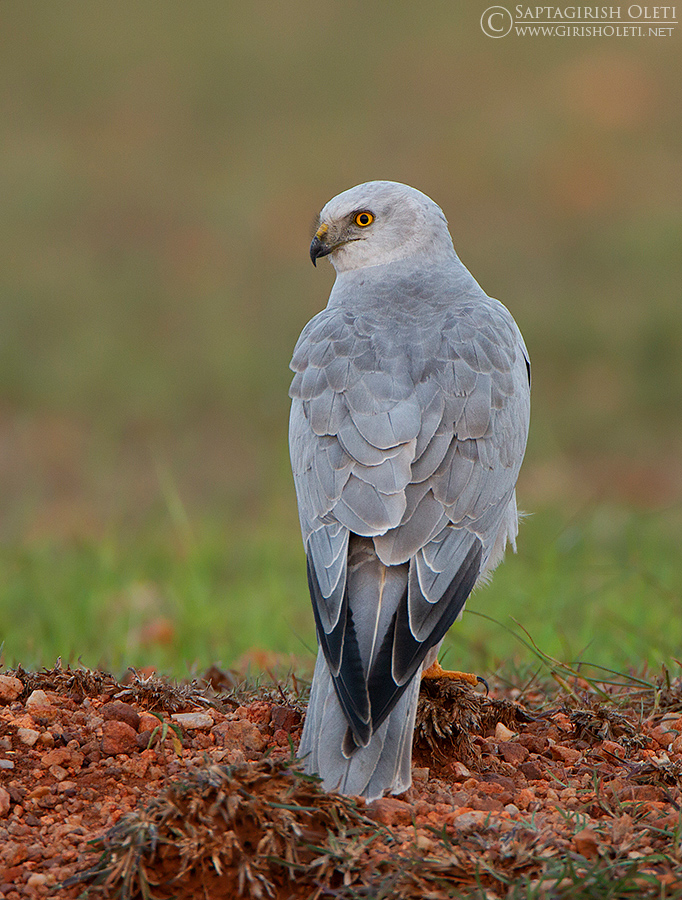
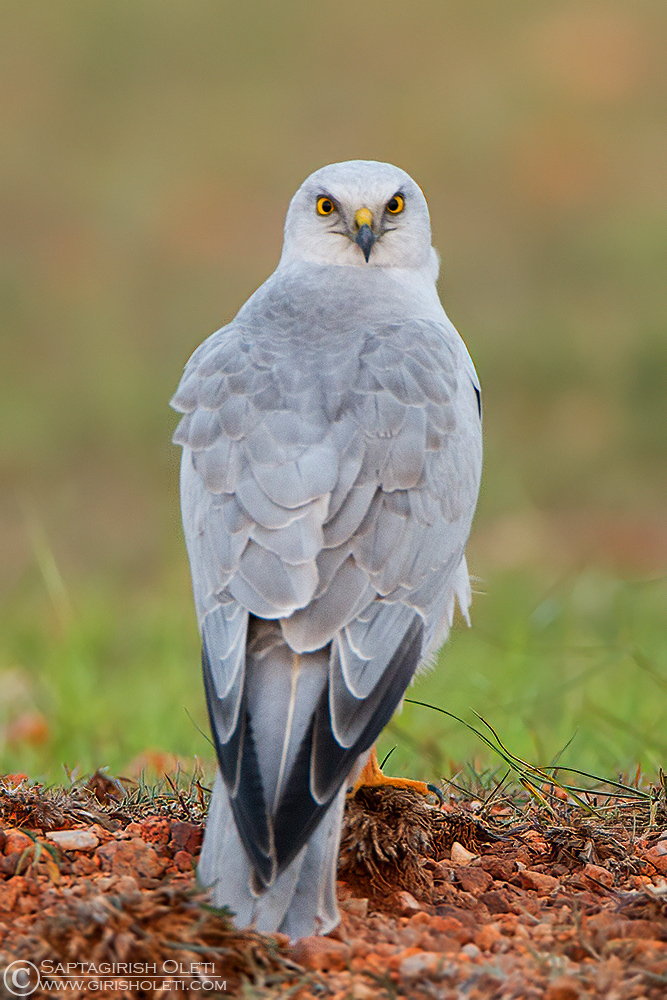
Winter used to bring a good number of harriers to Maidenahalli. Montagu's and Pallid Harriers were both regular subjects for me, and some of my best photographs of these birds were made here. The rocky ground and low vegetation sometimes gave me a clean view when a bird settled. At other times there was simply too much distance.
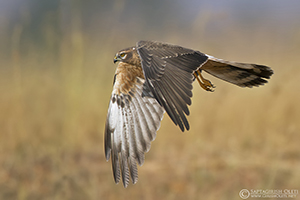
The photographs cover several years, which is important because no single visit tells the full story. I photographed a Montagu's Harrier on a rock in July 2015, and another in similar habitat in January 2023. There were also chances to photograph them in flight. I didn't get the same kind of opportunity every winter.
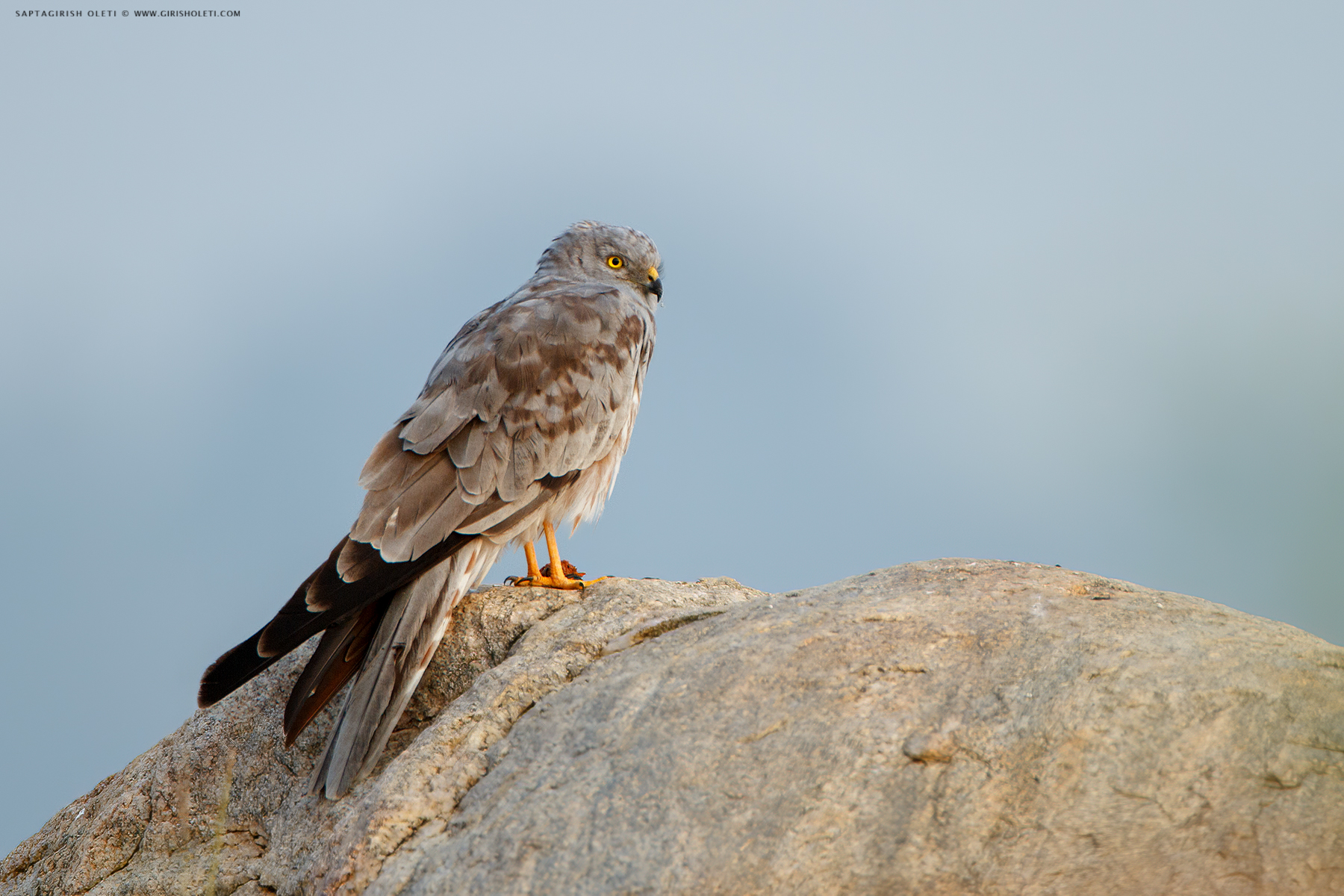

A perched harrier gives time to look at the feather detail and check the background, but it can also leave without much warning. The flight frames are harder for me because the bird stays low and the scrub quickly gets in the way. Sometimes the autofocus holds. Sometimes it doesn't, which is the usual story with harriers.
Coursers after the monsoon
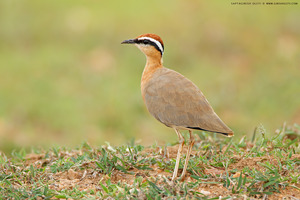
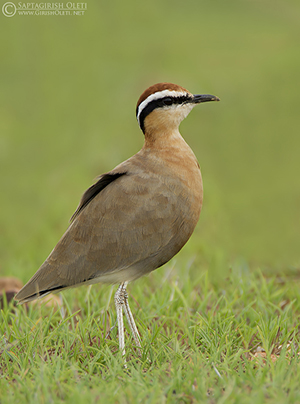
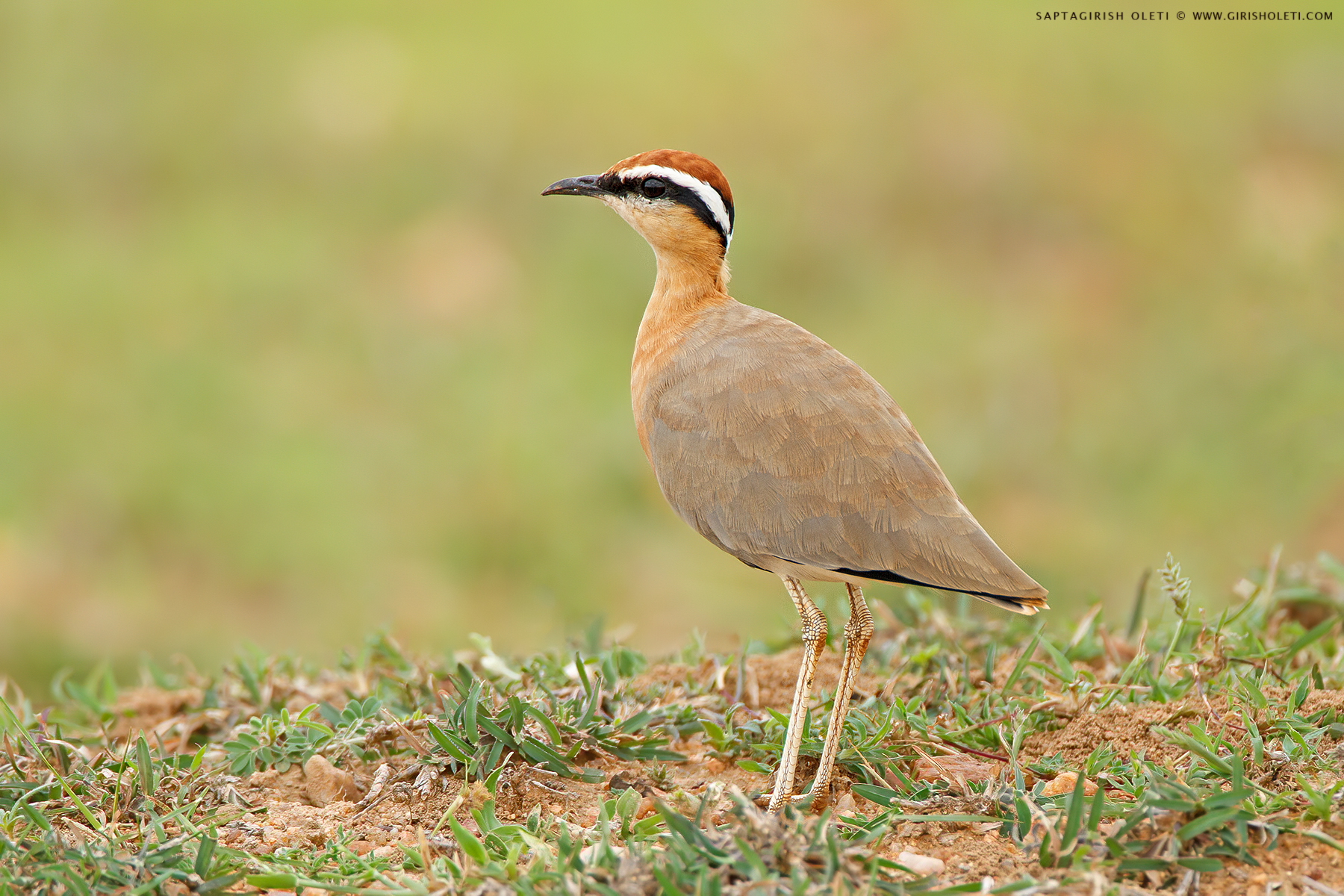
Indian Coursers are another reason I watch this reserve closely. They can be found in good numbers just after the monsoon, when the open ground has fresh growth. Their colours fit the soil and short vegetation very well. Even when one is standing in the open, it can take a moment to pick it out.
The two courser photographs included here were taken years apart, one in March 2017 and the other in July 2026. Both show the bird on low ground rather than against a complicated patch of scrub. That simple setting helps with this species. There isn't much action in either frame, but a clean standing view is often enough.

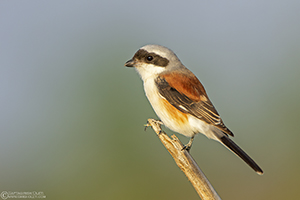
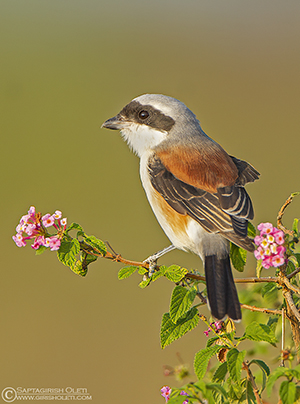
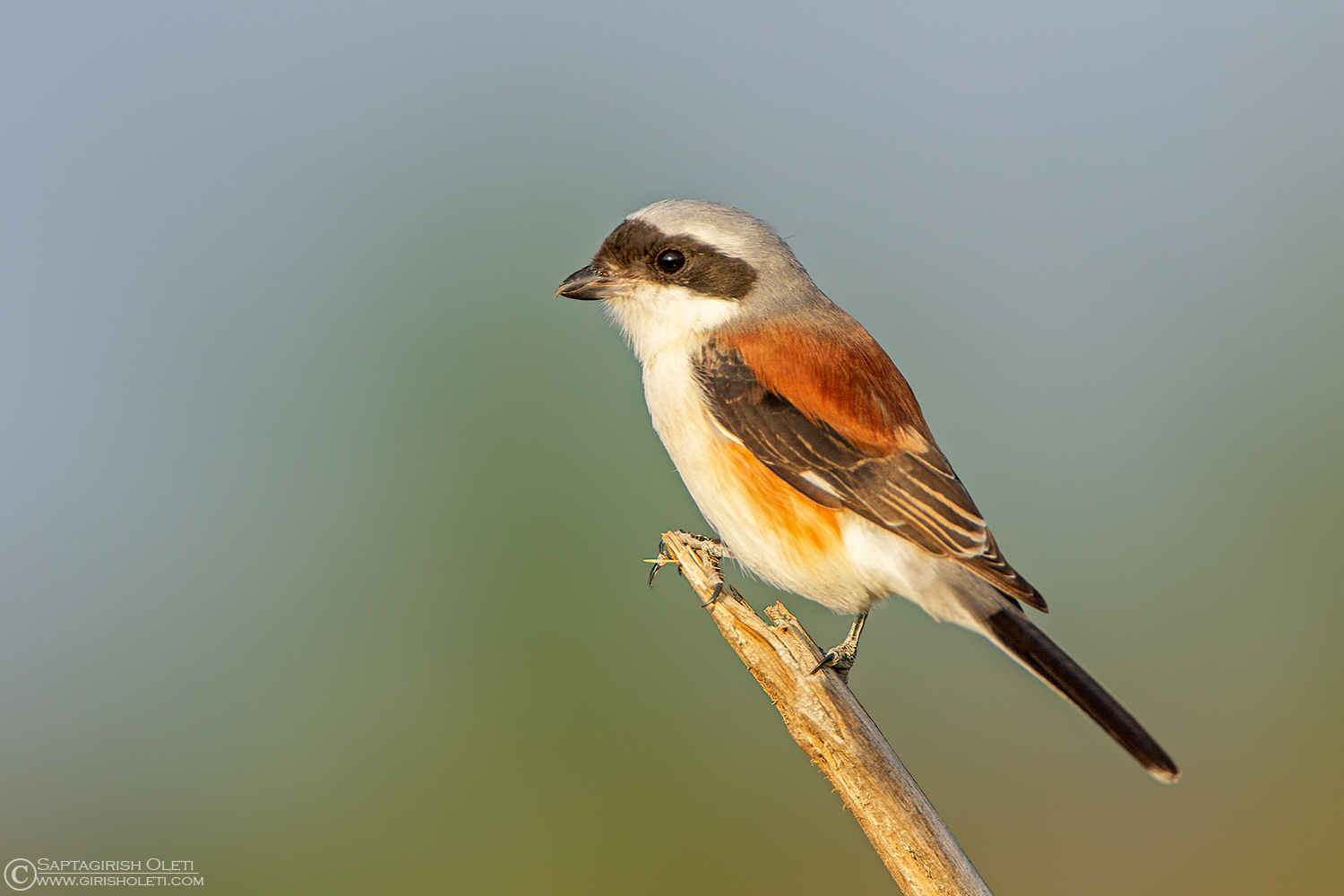
Not every useful photograph here has been of blackbuck, coursers or harriers. The scrub also gives smaller birds a place to perch, including Bay-backed Shrikes. These chances can be brief and are easy to ignore while looking for a larger subject. I try not to do that.
Going back to a changed reserve
A set of photographs can't measure the condition of a reserve by itself. It shows what came close enough, what stayed visible and what I managed to photograph. Still, repeated visits give a different kind of record. The drop in blackbuck numbers is clear to me because I remember what the place was like when I started.
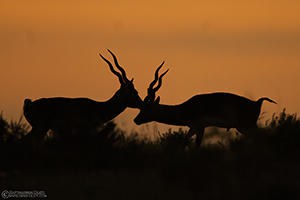
There are still blackbuck at Maidenahalli, and I photographed them again in January 2023 and July 2026. One frame shows two males with their horns locked, while the later photograph is a straightforward standing portrait. Those encounters matter, but they don't cancel the larger change. Agriculture and altered land use around the reserve remain the main concern.

I continue to visit because the reserve is close to Bangalore and still holds the species that first brought me here. Some days there is a cooperative harrier or a courser in the open. Other days there is very little to photograph. That part is normal; the long-term reduction in blackbuck is not.